



An SOP explains how a process should be done. A Runbook names the inputs, boundaries, decisions, and proof needed for a real task.
Here is a concrete on-page SEO audit SOP.
The SOP
- Review the landing page for search intent, content quality, metadata, and internal links.
- Propose and rank the fixes.
- Explain the evidence behind each recommendation.
These steps describe the work. The agent still needs the page, target query, available evidence, a path for missing information, and a person to decide whether to act on the recommendation.
Turn it into a Runbook
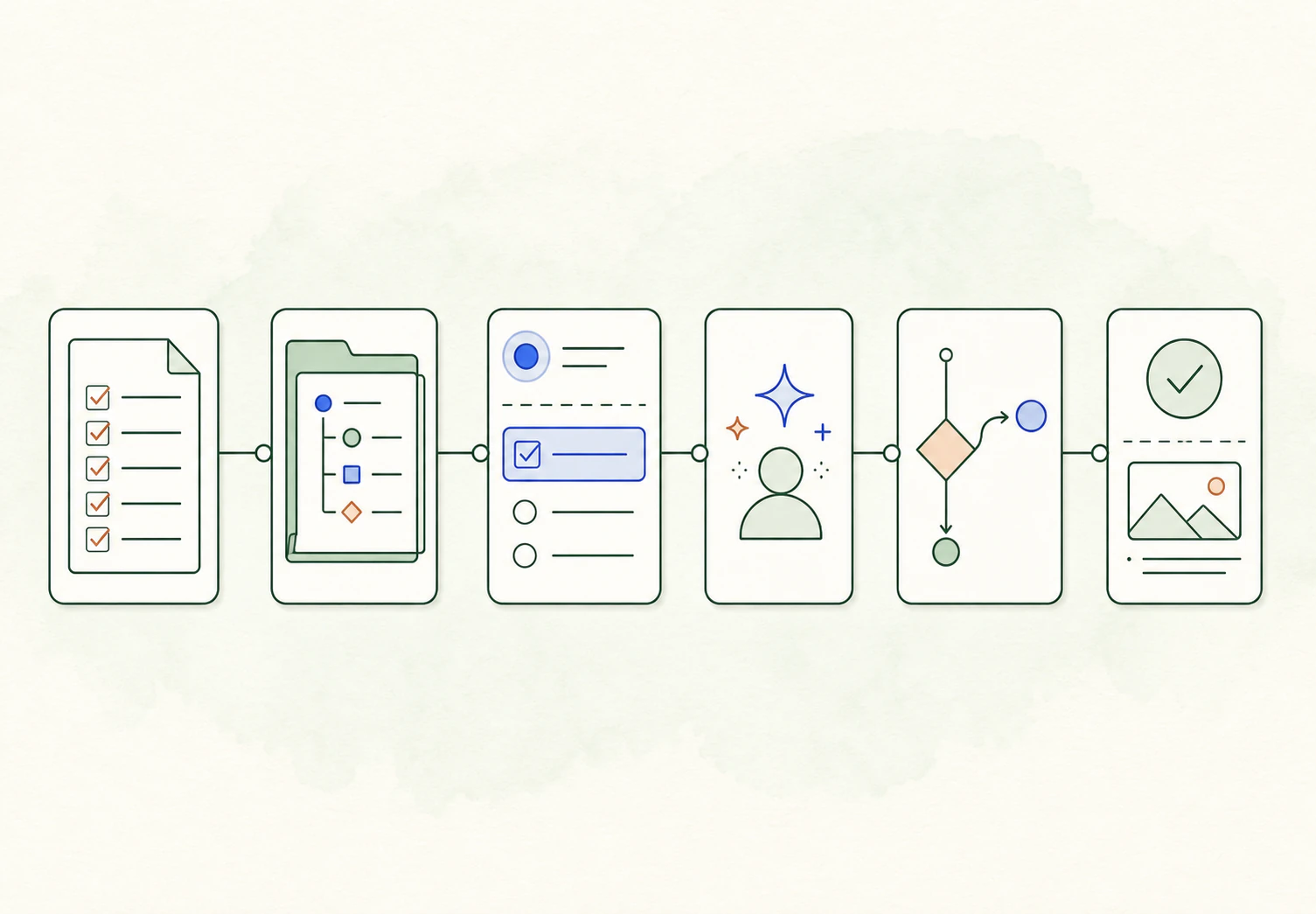
The Runbook turns those three steps into work that can run with the right inputs, boundaries, and evidence.
| SOP step | What the Runbook adds |
|---|---|
| Review the landing page | Inputs: Page URL or content, target query, audience, and business goal. |
| Propose and rank the fixes | Output: A prioritised improvement plan for one named page. |
| Explain the evidence | Rules: Separate observations from inferences. Do not claim a crawl, schema, or ranking cause without evidence. |
The Runbook also sets two conditions outside those steps:
- If the page content or target query is missing, use
@tool[request_input]to pause and ask for it. - Before publishing, sending, or changing anything outside Runlane, use
@tool[request_approval].
The Runbook is still readable by a person. It simply gives the agent enough structure to avoid guessing.
A runnable example
Goal. Diagnose why the supplied landing page may underperform and produce a prioritised improvement plan.
Inputs.
- Page URL or current page content
- Primary query and intended audience
- Search or performance evidence, if available
Rules.
- Distinguish observed facts from inferences and unknowns.
- Do not claim a technical or ranking cause without evidence.
- If the page content or target query is missing, call
@tool[request_input]. - Before publishing, sending, or changing an external system, call
@tool[request_approval].
Output.
- Page diagnosis
- Ranked fixes with evidence
- Recommended title, content, and internal-link changes
- Unknowns and the next measurement step
@tool[request_input] pauses the run for information it needs. @tool[request_approval] pauses before an external action that needs a human decision. They are part of the operating procedure, not an afterthought.
For guidance on choosing those review points, read Effective human review points in agentic workflows.
Put it to work
A Runbook is reusable. A task adds the current inputs, project context, selected access, and an owner. A run records the result and the decisions made along the way.
The task owner is accountable for the outcome. If a run needs input or attention, Runlane routes the notification to that owner. A task can run on a schedule, from an external trigger, or from a submitted form.
The structure gives the team a repeatable way to run the SOP.
See how Runlane fills the gap between an SOP and dependable work for the wider operating model.
Start with the SOP Builder Runbook to turn the procedure into owned, reviewable work.
Want to turn an existing SOP into a reviewed Runbook? Compare plans or talk to us.